Fashion is one of the most expressive parts of modern life. The clothes people choose, the accessories they wear and the colours they prefer often communicate something about their personalities. However, personal style extends beyond wardrobes. It can also influence home decoration, daily routines and the environments people choose to live in.
Modern lifestyle trends increasingly bring fashion, interior design and architecture together. People are looking for ways to make their everyday surroundings reflect the same creativity and individuality they express through clothing.
Fashion Is More Than Following Trends
Fashion trends change constantly, but personal style is something much more individual. Some people prefer timeless outfits with neutral colours and simple accessories, while others enjoy experimenting with bold prints, statement jewellery and contemporary designs.
Developing a personal style often involves understanding what feels comfortable and confident. Rather than purchasing every new trend, many fashion enthusiasts now prefer versatile clothing that can be styled in different ways.
A well-organised wardrobe can make everyday dressing easier. Essential pieces such as tailored trousers, classic shirts, comfortable footwear and quality outerwear provide a foundation for different occasions.
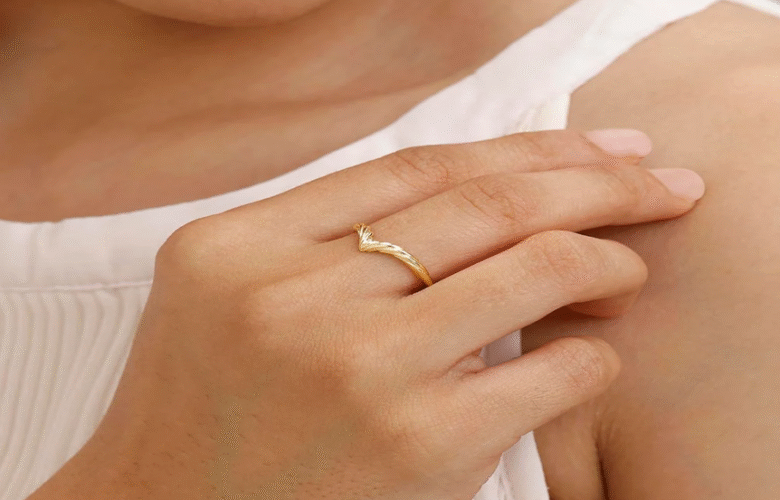
Accessories also play an important role. Watches, handbags, sunglasses and jewellery can transform a simple outfit into something distinctive without requiring an entirely new wardrobe.
The Connection Between Fashion and Interior Design
Interestingly, the principles used in fashion can also be applied to interior decoration. Both creative fields depend on colour coordination, textures, proportions and attention to detail.
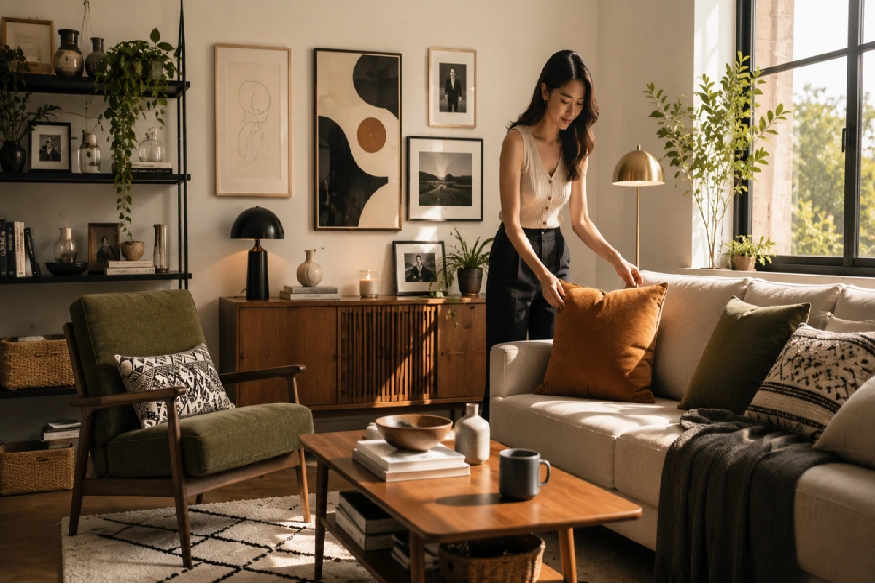
For example, someone who enjoys minimalist fashion might prefer a home with clean lines, neutral colours and uncluttered furniture arrangements. Someone with a more expressive personality may enjoy decorative artwork, colourful cushions and distinctive lighting.
Read More: How To Choose The Right Shampoo For Your Hair Concerns
Textures are another important connection. Soft fabrics, leather, wood, glass and natural materials can create visual contrast while adding character to a room.
Just as clothing should reflect the personality of the person wearing it, a living space should feel connected to the people who use it.
Creating a Lifestyle That Reflects Personal Taste
A stylish lifestyle is not necessarily about expensive purchases. It is more about making thoughtful choices that improve everyday experiences.
Small details can make a significant difference. Keeping a wardrobe organised, selecting complementary accessories and maintaining a comfortable home environment can create a sense of balance.
Many people also enjoy creating dedicated spaces for their interests. A reading corner, dressing area, creative workspace or carefully arranged living room can make a home feel more personal.
Residential architecture has an important role in supporting these preferences. Modern developments increasingly consider how people use shared facilities, recreational spaces and different areas within their homes.
For example, Singapore’s residential market includes developments such as One Chuan Grove, which reflects interest in contemporary residential living and the importance of neighbourhood surroundings.
The relationship between personal taste and residential design demonstrates that lifestyle choices are influenced by more than fashion alone.
Why Surroundings Influence Lifestyle Preferences
The environment people live in can affect their daily routines, social activities and leisure choices. Access to shopping destinations, restaurants, public transportation and recreational facilities can make urban living more convenient.
For fashion enthusiasts, being close to retail destinations and lifestyle attractions can be particularly appealing. Shopping, dining and social activities become easier to incorporate into everyday schedules when amenities are accessible.
Singapore’s River Valley neighbourhood offers an interesting example of an established urban residential environment. Its surrounding amenities and connectivity make it an area of interest for people exploring contemporary city living.
The upcoming River Opus development is planned as a mixed-use residential project in the neighbourhood, combining private residences, serviced residences and commercial spaces.
Such developments illustrate how modern residential planning can bring different aspects of everyday convenience closer together.
Sustainable Fashion and Thoughtful Living
Sustainability is becoming an increasingly important conversation in fashion and lifestyle. Many consumers are reconsidering how frequently they purchase clothing and how long they expect their belongings to last.
Choosing quality garments, repairing damaged items and experimenting with different combinations can help extend the usefulness of existing wardrobes.
The same philosophy applies to home decoration. Instead of replacing furniture whenever a new trend appears, homeowners can update their interiors through smaller changes.
Reusing decorative accessories, choosing durable materials and investing in practical furniture can create an attractive environment while reducing unnecessary consumption.
Sustainable choices do not mean sacrificing style. In many cases, a carefully selected collection of timeless pieces can look more sophisticated than an interior or wardrobe filled with temporary trends.
Beauty, Comfort and Individual Expression
Personal expression is an important part of fashion and modern lifestyle culture. Hairstyles, makeup, clothing and accessories allow individuals to experiment with different looks and discover what suits them best.
Comfort should remain an important consideration. An outfit may look attractive, but it should also be appropriate for the occasion and comfortable enough for everyday activities.
The same principle applies to home environments. Attractive decoration is valuable, but practical layouts, comfortable furniture and suitable lighting are equally important.
A balanced lifestyle allows people to enjoy creative interests without making everyday routines unnecessarily complicated.
Final Thoughts
Fashion and lifestyle are closely connected because both provide opportunities for personal expression. From choosing an outfit to decorating a living space, individual preferences influence the decisions people make every day.
Modern lifestyles also demonstrate how architecture, neighbourhood convenience and residential design contribute to the overall experience of living.
Rather than following every trend, the most meaningful approach is to identify what feels authentic and create a balance between appearance, comfort and practicality. Whether through fashion choices, home decoration or everyday experiences, personal style remains an important part of modern living.
text-align:center;" data-ad-layout="in-article" data-ad-format="fluid" data-ad-client="ca-pub-8288407026647732" data-ad-slot="7132473077">